Fishbone Font for Creative Design
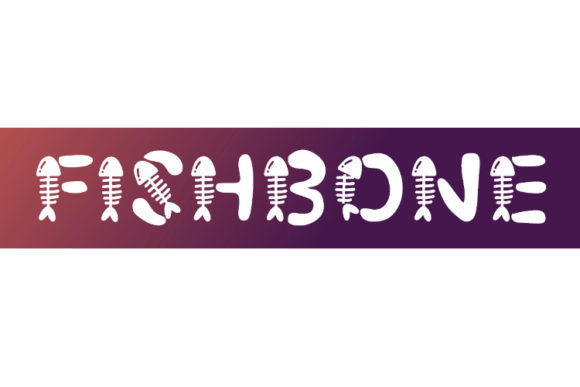
Fishbone is a fun and quirky display font that brings personality to any editorial project. Whether you're designing a blog header, magazine cover, or printable guide, Fishbone adds a playful yet professional touch. Its unique character makes it ideal for content creators who want to stand out while maintaining visual appeal.
Fishbone for Blog Headers and Magazine Covers
Fishbone is an excellent choice for blog headers and magazine covers where visual impact matters most. Its bold, stylized letters catch the eye and create a strong first impression. For a lifestyle blog, using Fishbone in the main title can instantly elevate the tone and make the content feel more engaging. In a digital magazine, Fishbone can be used for section headers or feature titles to add a sense of energy and creativity.
When paired with a clean sans serif font for body text, Fishbone helps establish a clear visual hierarchy. This combination ensures readability while keeping the design fresh and modern. For print publications, Fishbone works well in both color and black-and-white formats, offering flexibility across different media.
Using Fishbone in Ebook Titles and Newsletter Graphics
Fishbone shines when used in ebook titles and newsletter graphics. Its quirky style adds a distinctive flair that can differentiate your content from others. For a recipe ebook, Fishbone can be used in the title and chapter headings to give the publication a warm, inviting feel. In a newsletter, it can highlight key sections or pull quotes to draw readers’ attention.
When designing for digital platforms, consider how Fishbone looks on mobile screens. Its legibility at smaller sizes makes it suitable for email subject lines, social media posts, and web banners. For printable materials like worksheets or guides, Fishbone’s sharp lines ensure clarity even when printed at lower resolutions.
Fishbone for Quote Graphics and Section Headings
Fishbone is perfect for quote graphics that need to stand out without overwhelming the reader. Whether you’re creating a motivational poster, a social media graphic, or a downloadable quote card, Fishbone adds a whimsical yet professional vibe. Its varied letterforms allow for creative spacing and alignment, making each quote visually compelling.
In editorial layouts, Fishbone can be used for section headings to break up long blocks of text. It works especially well in magazines or zines that focus on art, culture, or storytelling. When placed strategically, it helps guide the reader through the content while adding a layer of visual interest.
Fishbone for Printables and Branding Elements
Fishbone is a great asset for printables such as planners, journals, and templates. Its playful style adds a personal touch to self-publishing projects, making them feel more unique and expressive. For a printable planner, using Fishbone in the title and section headers can make the layout feel more organized and cohesive.
When incorporating Fishbone into branding elements like logos or packaging, its distinct character helps reinforce a brand’s identity. It works well for brands that want to convey creativity, fun, or a modern aesthetic. Pairing it with a minimalist logo or a bold color palette can create a striking visual contrast that captures attention.
Fishbone for Editorial Layouts and Content Branding
Fishbone supports editorial layouts by adding a sense of rhythm and flow. In a digital magazine, it can be used for article titles, subheadings, or pull quotes to create a dynamic reading experience. Its versatility allows it to work across different genres, from fashion and beauty to technology and education.
For content branding, Fishbone helps establish a consistent visual language across all materials. Whether it's a weekly newsletter, a podcast cover, or a downloadable guide, using Fishbone consistently reinforces brand recognition. Its ability to adapt to various contexts makes it a valuable addition to any designer’s toolkit.
Pairing Fishbone with Other Fonts for Balanced Design
When using Fishbone in editorial design, pairing it with other fonts enhances readability and visual balance. A classic serif font like Georgia or Garamond works well for body text, providing a strong contrast to Fishbone’s playful style. For captions or navigation elements, a clean sans serif like Helvetica or Arial offers clarity and professionalism.
For a more modern look, pair Fishbone with a geometric sans serif like Futura or Montserrat. This combination creates a sleek, contemporary feel that’s ideal for tech blogs, startup websites, or digital publications. The key is to maintain a clear visual hierarchy while allowing Fishbone to shine in key areas of the design.
Fishbone for Social Media Graphics and Web Design
Fishbone is an effective tool for social media graphics and web design. Its bold, stylized letters make it ideal for Instagram posts, Facebook banners, or Twitter headers. When used in short-form content, it adds a memorable visual element that stands out in a crowded feed.
In web design, Fishbone can be used for hero sections, call-to-action buttons, or site titles. It works best when used sparingly, as overuse can reduce readability. For optimal results, limit Fishbone to headings and accents rather than large blocks of text. This approach keeps the design engaging without compromising user experience.
Considering Commercial Licensing and Multilingual Support
Before using Fishbone in commercial projects, check the licensing terms to ensure compliance. Most premium fonts offer commercial licenses for use in ebooks, templates, printables, and paid newsletters. This makes Fishbone a practical choice for content creators who want to incorporate it into their products without legal concerns.
If Fishbone includes multilingual support, it can be used across different languages and scripts, expanding its usefulness for global audiences. This feature is especially valuable for international publications, multilingual blogs, or educational materials that cater to diverse readerships.